


Your last ten minutes shape your night. A thoughtful reading setup—comfortable support, gentle light, and a simple notebook—can quiet your mind and cue your body for rest. This guide distills what matters for a calm, sleep‑friendly routine and offers a few refined tools from Levenger to make it feel effortless.
The sleep‑friendly reading setup
- Comfortable, upright support: Keep your book or e‑reader at a natural angle so your neck stays neutral and wrists relaxed. If you don’t use a dedicated lap desk, stack a pillow behind your back and a firmer one under the book for a slight tilt. For posture strategies that reduce strain, see Eyes and Posture: How a Lap Desk and Book Stand Cut Strain During Long Reads.
- Gentle, warm lighting: Choose a focused, dimmable light so you can read clearly without flooding the room. Warm tone and aimable beams are kinder to sleepy eyes and to partners in shared bedrooms.
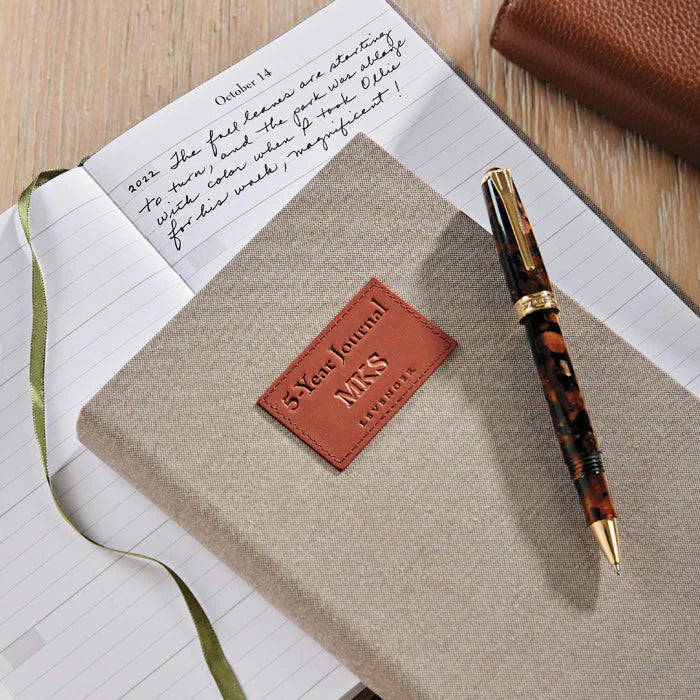
- A capture tool: Keep a small notebook and pen at arm’s reach to jot stray thoughts, to‑dos, or favorite lines. Emptying your mind before sleep helps you close the book—literally and mentally.
If nightstand clutter is your challenge, a soft leather bedside caddy keeps book, glasses, pens, and notebook in one place. The compact Reader's Bedside Companion tucks under a mattress or over a sofa arm so everything is where you want it without reaching or rummaging.
Reading‑setup selector: bed, desk, sofa, and travel
Match your space and priorities to a practical setup. Use this matrix to choose support, lighting, and a notebook that fit how—and where—you unwind.
| Context | Support surface | Lighting | Notebook approach | Levenger fit (examples) |
|---|---|---|---|---|
| Bed | Firm pillow or lap wedge for a slight tilt; stable caddy nearby | Warm, dimmable light aimed at pages; minimal spill | Quiet folio with 2–3 tabs: Thoughts, Quotes, Tomorrow | Mini Smart Book Light; folio‑wrapped journal like Circa Classic Softfolio Journal Bundle |
| Desk (evening hours) | Upright chair, lumbar support; book stand if annotating | Lower‑lumen task lamp; avoid bright overhead glare | Discbound for interleaving notes and excerpts | Engineer‑style structure: Circa L‑Tech Engineer Notebook Bundle |
| Sofa | Stable armrest caddy; page control to reduce fidgeting | Targeted page light so others can relax | Compact discbound with a Quotes tab | Keep items corralled in the Reader's Bedside Companion |
| Travel (hotel, guest room) | Lightweight folio that zips closed; packs flat | Pocketable warm light for unfamiliar rooms | Portable journal for quick captures | Zip‑away kit: Greenwich Pebbled Leather Zipped Folio Bundle; streamlined starter like Circa Royal Discbound Notebook Bundle |
If you prefer a full primer on balancing screens and paper from morning to night, explore the Digital Detox & Intentional Productivity core guide.
Choose the right light for bedtime reading
Look for three traits: adjustability (brightness and aim), warm tone, and a beam that doesn’t splash across the room. Here’s a compact comparison to help you decide.
Bedtime lighting, compared
| Option | What it’s good for | Disturbance to others | Portability | Tradeoffs |
|---|---|---|---|---|
| Compact ambient book light (dimmable), e.g., Mini Smart Book Light | Warm, soothing glow that doubles as a nightstand accent; easy on tired eyes | Low—soft ambient field | High—pocketable | Less narrowly focused than a clip‑on; ambient rather than task‑beam |
| Hands‑free neck or clip‑on light | Directed beam onto pages; good when a partner is asleep | Very low—highly targeted | High—packs flat | Beam can feel bright if aimed too close; choose a warm, lower setting |
| Traditional bedside lamp | Room‑friendly glow and easy switch placement | Medium to high—can light up the room | Low—stays put | May be too bright for shared bedrooms; use a lower‑lumen bulb |
- Reading Light Lavalier — Hangs at the neck and lights the page rather than the room, which is what keeps a partner asleep.
- Flex Adjustable LED Book Light — Clips to the board and bends where you need it, for reading propped up rather than flat.
Notebook choices that calm a busy mind
Your before‑bed notebook has one job: capture and release. Pick something tactile, simple, and pleasant to reach for—this is as much about ritual as it is about paper.
- Format: A slim, portable journal encourages brief entries; a discbound system lets you add or remove pages without fuss.
- Paper feel: Smooth, opaque paper reduces scratchy noise and show‑through, especially welcome in a quiet room.
- Organization: Keep one tab for “Thoughts,” one for “Quotes,” and one for “Tomorrow,” so you don’t lie awake trying to remember.
If you want a refined, long‑lived notebook you can configure over time, Levenger’s Circa is a strong fit. The Circa Classic Softfolio Journal Bundle wraps a discbound notebook in a quiet folio that slides neatly into a nightstand. If you prefer maximum flexibility, the Super Circa Bundle lets you mix dot‑grid pages for reflections with ruled sheets for quotes and a tab for tomorrow’s tasks. Prefer pen‑friendly color or a seasonal refresh? The Circa Peony Bouquet Bundle brings a softer aesthetic for a nightstand journal.
To keep your kit portable and contained, the zip‑around Greenwich Pebbled Leather Zipped Folio Bundle secures your notebook and pen so late‑night dozing won’t scatter pages. For a simple analog method you can sustain, see Analog Habit Tracking: Dot‑Grid, Index Cards, and Simple Weekly Reviews.
A 10‑minute wind‑down that works on weeknights
- Set the scene (1 minute): Arrange pillows for upright comfort; place your support surface and light. If posture is a recurring issue, revisit the posture guide above.
- Read with focus (6 minutes): Choose a short selection—one poem, a few pages, or a single essay. Stop before you feel drowsy; you want a calm close, not a fight to finish.
- Capture and release (2 minutes): In your notebook, jot 1 idea, 1 line you loved, and 1 task to hand off to tomorrow. For a clean paper cadence you can review weekly, explore Analog Habit Tracking.
- Close the loop (1 minute): Park tomorrow’s note under a morning tab so it greets you at breakfast. If you enjoy paper‑first mornings, you might like Analog Mornings.
For partners and shared spaces
- Aim your beam: Keep light below your line of sight and angled away from your partner’s pillow. Dimming a portable, warm‑tone light (such as the compact Mini Smart Book Light) keeps the room restful.
- Quiet page control: A simple page weight or gentle finger hold reduces fidgeting in bed. If long books are your habit, a folio keeps loose notes from crinkling.
- Stash elegantly: Store book, glasses, and pen in the Reader's Bedside Companion so you can go dark without getting up.
Reading in bed without losing your place
Book Bungee — holds the book at the page when you drift off, which is the actual failure mode of bedtime reading.
Who should consider a refined Circa setup?
If you capture quotes, reflections, and next‑day prompts in one place, a configurable system prevents scatter. Writers may prefer the compact, cohesive feel of The Novelist Bundle. If you annotate diagrams or track habits visually, the engineering‑friendly layout in the Circa L‑Tech Engineer Notebook Bundle offers structure without screens.
Prefer a color‑forward look that still feels professional? The Circa Peony Bouquet Bundle is a graceful nightstand companion. If your reading inspires writing on the go, a compact kit like the Canvas Script and Scribble Analog Bundle travels easily from bedside to morning coffee. For readers who blend paper and devices, see Digital + Analog Harmony.
End your day with a clean slate
A short analog shutdown makes mornings feel easier. If evenings are often hectic, try the routine in End‑of‑Day Reset, then keep only your book light and notebook bedside so your brain associates bed with quiet, not with catch‑up.
Value, durability, and choosing well
Levenger designs are built for years of use—thoughtful engineering, robust paper, and durable leathers. While some pieces are premium by design, they often prove cost‑effective over time because you reuse and reconfigure rather than replace. Levenger regularly runs thoughtful promotions, offers bundles that create meaningful savings, and members of the loyalty program can earn points toward future tools for reading and writing.
Frequently Asked Questions
How bright should my bedtime light be?
Use the lowest setting that lets you read without squinting. A warm, dimmable light aimed at the page—not your eyes—reduces glare and keeps the room restful. Portable options like the Mini Smart Book Light make this easy.
What notebook size is best for bedside use?
Choose something you’ll actually reach for. A folio‑wrapped discbound like the Circa Classic Softfolio Journal Bundle feels quiet and contained; for more customization, start with the Super Circa Bundle and add tabs for Quotes, Reflections, and Tomorrow.
How do I keep my posture comfortable while reading in bed?
Elevate your upper back with pillows and give the book a slight tilt so your neck stays neutral. If posture is a recurring concern, see the posture guide and build a simple wedge with a firm pillow. Storing your kit in the Reader's Bedside Companion keeps everything steady and within reach.
What if I fall asleep while reading?
Stop at a natural break before drowsiness, or use a light with a built‑in timer. Keep your notebook and pen in a zip folio such as the Greenwich Pebbled Leather Zipped Folio Bundle so everything stays contained if you doze off.
Next steps
Pick one improvement to try tonight: a gentler light, a steadier support, or a notebook to offload late‑night thoughts. If you enjoy carrying ideas from night to day, you may also like Analog Sprinting and Weekend Reset for low‑pressure ways to keep momentum.


